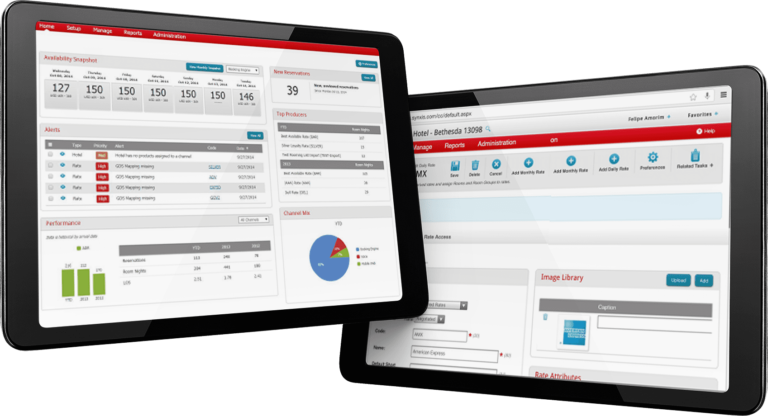
Elevating Hospitality Excellence: Mastering PMS, CRS, and CRM Integration
Redefining Guest Experiences: Hotel Technologies Unveiled
The hospitality realm thrives on flawless guest experiences and streamlined operations. In this digital epoch, the fusion of hotel technologies serves as the linchpin, catapulting service standards and managerial optimization to unprecedented heights.
Delving into Hotel Technologies
The metamorphosis of hotels through technological strides reshapes guest experiences. From automated check-ins to tailor-made services, technology emerges as the protagonist. This evolution not only revolutionizes the industry but also places efficiency and convenience at the forefront.
Deciphering the Power of PMS
The Property Management System (PMS) acts as the nerve center, orchestrating pivotal hotel operations: reservations, check-ins, room allocations, billing, and more. Its robust capabilities empower hoteliers, refining day-to-day activities and augmenting guest contentment.
Demystifying the Central Reservation System (CRS)
The CRS acts as the gateway to manage room inventory and bookings across diverse distribution channels. This centralized platform facilitates seamless booking management, ensuring real-time updates and availability across online and offline domains.
Unveiling the Symbiosis: PMS and CRS Integration
The amalgamation of PMS with CRS yields a plethora of advantages. Beyond streamlining operations, it fosters synchronized data flow, enabling seamless management of bookings, rates, and inventory.
Nurturing Relationships through CRM
Customer Relationship Management (CRM) systems pivot towards guest contentment and retention. By harnessing guest data, hotels craft personalized interactions, predict needs, and curate unforgettable experiences, nurturing enduring relationships.
The Fusion’s Bounties: PMS, CRS, and CRM Synergy
This integration creates a cohesive platform, empowering hotels with comprehensive guest profiles. Consequently, it enables tailored services, elevates guest satisfaction, and fosters unwavering loyalty.
Tackling Integration Hurdles
While integration reaps myriad benefits, challenges like system compatibility and data synchronization may surface. Effective strategies involving meticulous planning and adoption of compatible systems mitigate these hurdles.
Forging a Seamless Integration Path
Successful integration hinges on methodical planning, transparent communication, and the selection of compatible systems. Case studies spotlighting triumphant integrations offer invaluable insights and best practices.
Safeguarding Data Integrity
The amalgamation of systems sparks concerns about data security and privacy. Implementing stringent security measures and adhering to regulations assure guests of their protected data.
Glimpsing Ahead: Future Hotel Tech Trajectories
The horizon brims with promise as AI, IoT, and blockchain integrate into hotel systems. These innovations pledge heightened personalization and operational finesse, redefining the industry’s landscape.
Culmination: PMS, CRS, and CRM – Pillars of Modern Hospitality
The fusion of PMS with CRS and CRM stands as the bedrock of contemporary hotel management, metamorphosing guest experiences and operational prowess. Embracing these technologies positions hotels to thrive in an ever-evolving landscape, tailored to meet dynamic guest needs.
FAQs
- Why is integration crucial for hotels?
Integrating systems ensures streamlined operations, personalized guest experiences, and improved efficiency. - What challenges do hotels face during integration?
System compatibility, data synchronization, and security concerns are common challenges. - How can hotels overcome integration obstacles?
Thorough planning, employing compatible systems, and robust security measures help overcome challenges. - What are the benefits of CRM in hotels?
CRM enables personalized guest interactions, fostering long-term relationships and loyalty. - What does the future hold for hotel technologies?
Emerging technologies like AI and IoT promise enhanced personalization and operational efficiency.